ServicesNew Construction HVAC
New Construction HVAC in Garfield
Building a new home or adding on? We size and install the furnace, heat pump, air conditioner or mini-splits to fit your plans, show up when your build calls for us, and tell you early if anything on our end needs to shift.
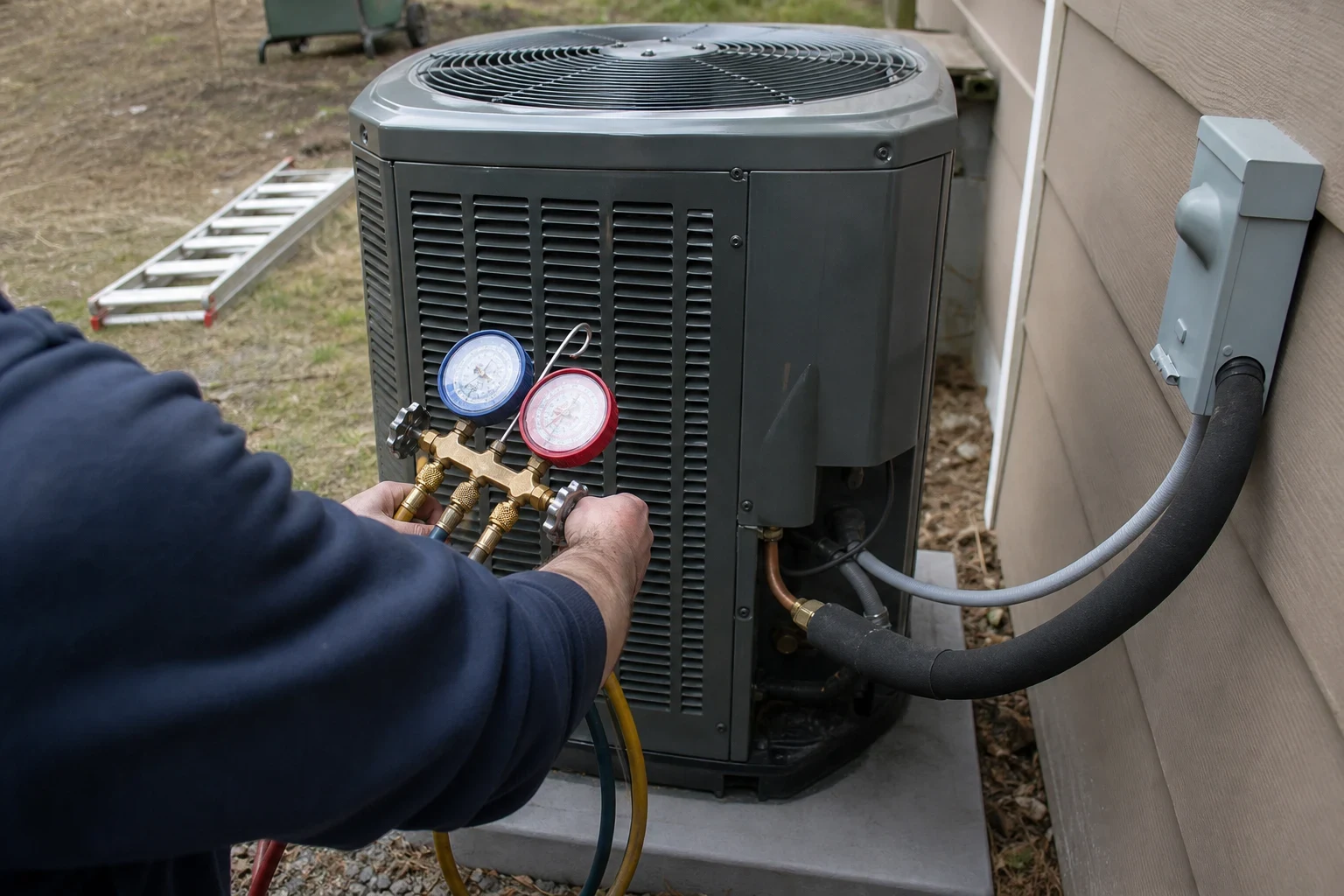
Heating and cooling planned with the build
A new home gives you one clean chance to get heating and cooling right. The equipment should be sized to the actual house, not guessed from square footage. The refrigerant lines, drains and wiring need to be in place before the walls close up. Miss that window and fixes get expensive.
We work from your plans and your builder's timeline. You get a clear list of when we need to be on site, what has to be ready before each visit, and how long each stage takes. If framing runs late or an inspection gets pushed, we adjust our dates and let you know the new ones right away instead of leaving you to chase us.
Builders and lenders usually want to see credentials before a new trade starts work. That question has a short answer with us: we hold a Washington license and bond, and our coverage includes $1M in general liability insurance.
What a new-build install covers
- Load figured from your plans
- We start with your insulation, window area, the home's orientation and the room layout before suggesting any equipment. That tells us what each area of the house really needs, so you don't end up with a system that's too big and cycles constantly or too small and never shuts off in winter.
- Picking the right equipment
- We compare a gas furnace with central air, a heat pump and ductless mini-splits, and explain in plain terms what each costs to run and how it feels. The decision is yours, and we won't steer you to the priciest option.
- Rough-in before the walls close
- Ahead of insulation and drywall, we place refrigerant line sets, condensate drains, thermostat wire and equipment spots, then check it all against the plans so nothing ends up hidden in the wrong spot.
- Setting the equipment and starting it up
- After the interior is done, we install the equipment, charge the system, run it in both heating and cooling and make sure it performs to spec.
- Working around inspections
- We plan our visits around required inspections and stay on site or by the phone when the inspector needs us, so a missed sign-off won't hold up your project.
- Heat pump rebate help
- Go with a heat pump and we'll help you claim Avista rebates and federal tax credits, keeping the paperwork those programs require.
The right moments to call us
Plans are on paper
Call before framing begins. That's when we can size the system and mark equipment spots while changes are still simple.
The builder is asking for dates
When your general contractor is putting the master schedule together, we hand over honest windows for each visit so the trades follow one another without gaps.
You can't decide on a system
Wondering if a heat pump can handle a cold Palouse winter on its own, or if a furnace backup is worth it? Talk it through with us before you lock anything in.
You're building an addition
Additions and detached living spaces often need heating and cooling of their own. Ductless mini-splits tend to work well, and we'll let you know if your current system can't take on the added load.
What moves the price on a new home's system
No two floor plans carry the same load, so we quote from your drawings instead of a flat rate. Estimates are free on installations. Your written quote lists equipment and labor separately, so the final bill matches what you agreed to.
Size and layout of the home
More square footage, multiple floors, vaulted ceilings and large window walls all raise the heating and cooling load, which affects equipment size.
Type of system
A furnace with central air, a heat pump, a dual-fuel setup and multi-zone mini-splits each carry different equipment and labor costs.
Efficiency level
Higher-efficiency equipment costs more up front but lowers monthly bills. On heat pumps, rebates and tax credits can offset part of the difference.
Site and access
Where the outdoor unit sits, how far line sets have to run, and how easy it is to reach the equipment location all play a part.
Schedule changes
Extra return trips caused by major delays or plan changes can add time. We tell you before that happens, not after.
How a new build runs with us
- 1
First phone call
Tell us about the project, your timeline and who is building it. We set a time to review your plans and give you a free estimate.
- 2
Plan review and written quote
We do the load calculation, recommend equipment, and give you a written quote before any work begins. It lists each stage so you know what you're paying for.
- 3
Scheduling with your builder
We agree on target dates for rough-in and final set, plus what must be done before each visit. When those dates move, we confirm new ones and tell you the same day we know.
- 4
Rough-in, then final set
Each visit has a clear arrival window and an expected finish time. We clean up after ourselves so the next trade walks onto a clear site.
- 5
Startup and walkthrough
We start the system, show you how the thermostat and filters work, and answer your questions before we leave.
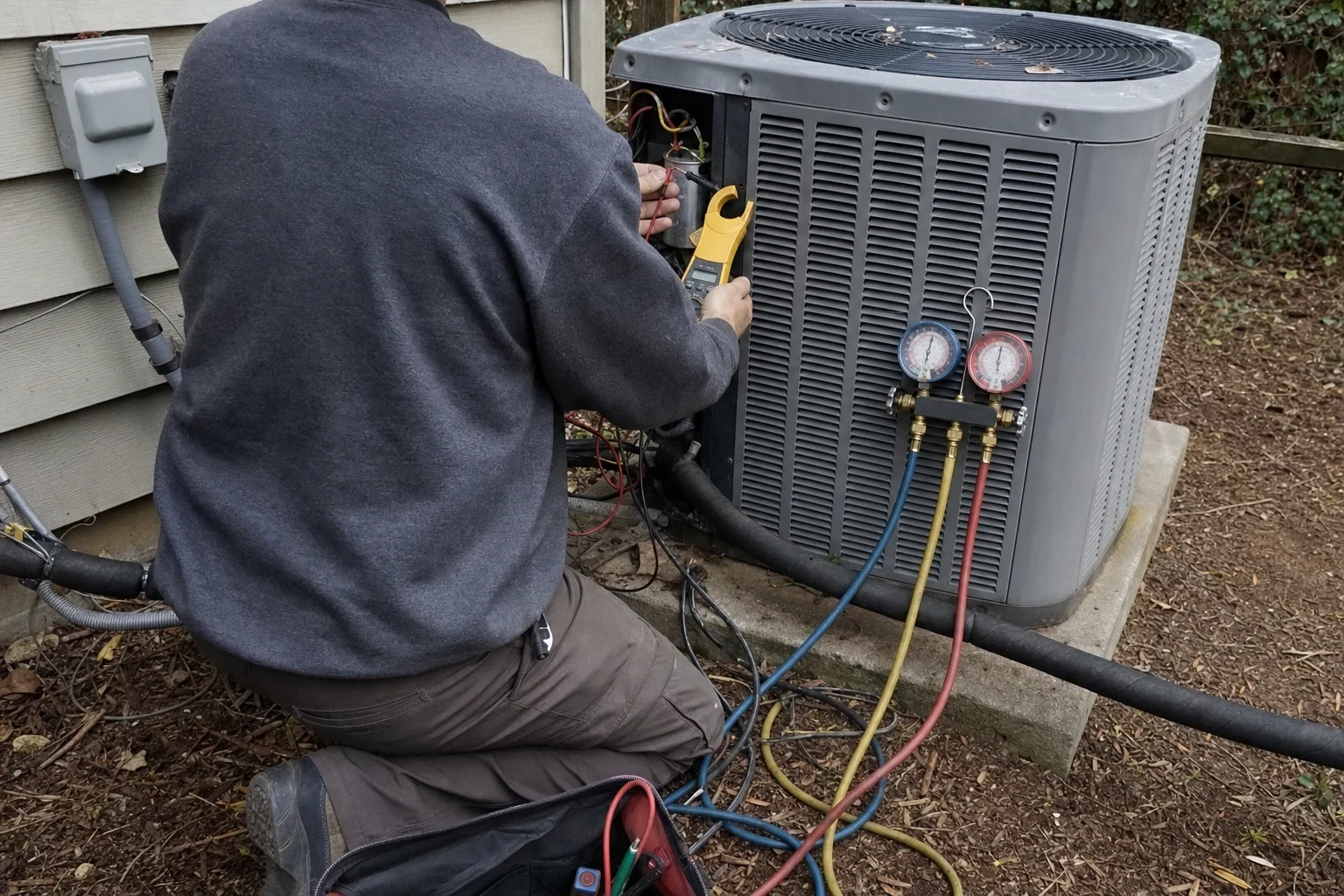
New construction HVAC questions
How early should I call you for a new home?
Ideally while your plans are being finalized or before framing begins. That gives us time to size the system and mark equipment locations. We can still join a project that's already underway, but earlier means fewer compromises.
Do you work with my general contractor?
Yes. Most of our new construction work is coordinated directly with the builder. We share our visit dates and prep needs with them and keep you in the loop on changes so everyone works from the same schedule.
Is a heat pump enough for winters here?
Modern cold-climate heat pumps handle most of the winter well, and many homeowners pair one with a backup heat source for the coldest stretches. We'll show you the numbers for your specific home and let you decide. Our Heat Pumps page covers more detail.
What happens if my build gets delayed?
We move with it. As soon as your builder or you tell us dates have shifted, we rebook our visits and confirm the new arrival windows. You won't have to chase us for an update.
What happens if something goes wrong after move-in?
Give us a call and we'll come out. We offer a 1-year labor warranty on all repairs, and our Maintenance Plans keep a new system tuned from its first season.
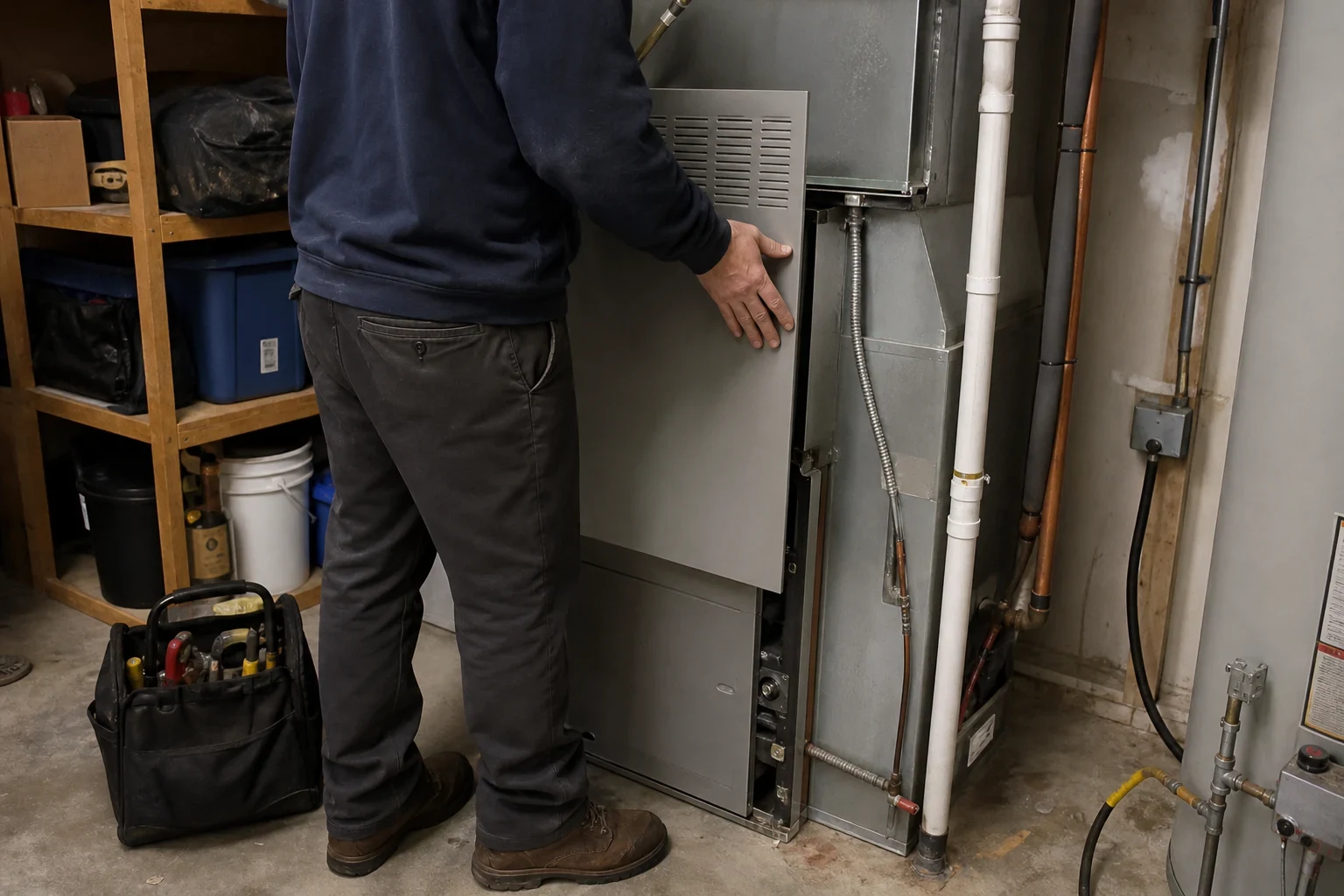
Planning a new home in Garfield or nearby?
Walk us through your timeline by phone and we'll set up a plan review. You'll get a free written estimate and a schedule your builder can work with.